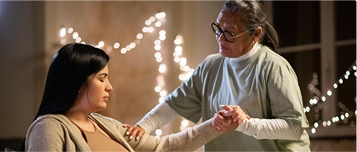
Massage Gift Certificates for Thoughtful Giving
A Complete Guide to Choosing, Giving & Using a Massage Gift Certificate
A massage gift certificate works best when the recipient can comfortably use it. Before choosing an amount or a service, think about whether they enjoy massage, how they will get to the appointment, and how much freedom they need to choose their session. Those details make the difference between a welcome experience and a certificate that sits in a drawer.
This guide walks you through seven common gift decisions, from choosing a first massage to arranging a shared experience or supporting a parent. You will learn what to ask before paying, how to give the gift without creating an obligation, and what the recipient should know before arriving. For readers in Rapid City and the Black Hills, the final section explains how to contact Graceful Touch Massage about local options.
A useful starting question is simple: “Would you enjoy a massage if you could choose the therapist, pressure, and appointment time?” The answer tells you more than guessing from someone's age, occupation, or complaints about tight shoulders.
A quick gift selection checklist
Before comparing certificates, work through these questions. They help you choose an experience that fits the person receiving it and identify details worth checking with the practice.
- Interest: Has the recipient said they enjoy massage or would like to try it? If you are unsure, ask before choosing.
- Experience: Do they already have a preferred therapist, or would this be their first appointment?
- Location: Can they comfortably reach the practice from home, work, or their travel destination?
- Scheduling: Can they choose a suitable appointment without rearranging commitments you have not considered?
- Comfort: Would they want to discuss clothing, pressure, positioning, scent sensitivities, or accessibility before booking?
- Company: Would they prefer time alone or a shared appointment with someone they choose?
- Coverage: Are you giving a complete specified service or a contribution toward the experience?
Use the answers to narrow your purchase. For someone with an established therapist, begin with that practice. For a newcomer who welcomes the idea, prioritize a clear explanation of the appointment and flexibility. For two people, verify the shared arrangement before deciding on the certificate.
You do not need the recipient's private health history to use this checklist. You need enough information to know that the gift is welcome and that any necessary conversation with the therapist can happen before the appointment.
Massage Gift Certificates: How to Choose
Chapter 1 · Video will appear here after approval.
Start with the person receiving it
Choose the experience around the recipient's preferences. Someone who already has a trusted massage therapist may value a certificate for that practice more than a discounted session somewhere unfamiliar. A person who has never received massage may need a conversation about comfort before they would welcome any certificate.
Ask what they would enjoy: quiet relaxation, focused attention to an area that feels tense, or time together with a partner. You do not need to diagnose their discomfort or select a treatment plan. The recipient and therapist can discuss appropriate session goals privately.
If you want the gift to be a surprise, ask a broad preference question first. “Do you enjoy professional massage?” keeps the eventual presentation a surprise while avoiding the assumption that everyone welcomes touch. If the answer is hesitant, give them room to explain. A different gift may suit them better.

Check interest while keeping the surprise
A casual question can help you learn whether the person would welcome a massage without revealing your plan. Choose a question that fits your relationship and listen for their answer rather than persuading them.
- “Have you ever had a massage? What did you like or dislike about it?”
- “If you could choose a relaxing experience, would a professional massage appeal to you?”
- “Would you rather have time to yourself or do something together?”
If they are unsure, ask what would make them comfortable. They may enjoy the idea only if they can choose the therapist, remain clothed, or book at their own pace. If they say they do not enjoy massage, respect that answer and choose a different gift.
Understand what the certificate actually covers
A dollar-value certificate contributes a stated amount toward eligible services. A service-based certificate identifies a particular appointment, such as a specified massage length. Neither format tells you everything about redemption. Ask how the business handles price changes, substitutions, unused balances, and appointments costing more than the certificate.
For example, a gift described as “money toward a massage” creates different expectations from “your massage is fully covered.” If your goal is a complete experience, ask the provider for the current total for the intended service and clarify any optional costs. Avoid telling the recipient that everything is included until you know what that means.
Ask these questions before purchasing:
- What exact amount or service am I buying?
- Can the recipient choose a different eligible service or session length?
- What are the current redemption terms, including any applicable deadlines or restrictions?
- How are cancellations, missed appointments, transfers, and unused balances handled?
- What will the recipient need to present when booking or arriving?
- Does the intended appointment require an additional payment?
Request the terms in a form you can keep with the purchase record. A clear explanation from the business is more useful than assuming another provider's policies apply.
Decide how much of the appointment you want to cover
Set your budget before choosing the certificate format. You can give a complete specified appointment or contribute an amount toward a service the recipient selects. Both can be thoughtful gifts when the coverage is clear.
For a fully covered appointment, ask the practice for the current price of the intended service and which costs are included. Ask separately about optional upgrades and gratuity. Do not assume either is required or included, and do not add a guessed percentage to the certificate without understanding how the practice handles it.
If you are contributing toward a visit, say so plainly: “This is toward a massage of your choice.” That helps the recipient choose within their own budget. Avoid presenting a partial contribution as a fully paid experience, particularly if the remaining cost could make the gift difficult to use.
An upgrade should remain the recipient's choice. Ask whether choosing a longer appointment or a different eligible service would require paying a difference, and how that payment works. If the recipient wants to stay within the certificate's value, they should be able to ask what options fit before booking.
When the cost exceeds your budget, consider a contribution with a clear explanation or a joint gift from people who know the recipient. Do not assume that a shorter appointment is available or suitable; ask the practice what it actually offers.
Compare providers with one practical checklist
Use these questions when contacting practices. Record the answers in your own notes so you can compare the experience your recipient would receive.
- Qualifications: Who will provide the massage, and how can I verify the relevant professional credentials?
- Communication: How does the therapist discuss goals, boundaries, and pressure before and during a session?
- Availability: Are there appointments the recipient can realistically attend, including any need for two therapists together?
- Access: Can the practice accommodate the recipient's specific mobility, positioning, or clothing needs?
- Time: What is the hands-on massage time, and how long should the whole visit take?
- Coverage: What service or value does the certificate provide, and what additional payment might be needed?
- Flexibility: Which changes, substitutions, transfers, or balance arrangements are permitted under the current terms?
- Booking: What does the recipient need to redeem the certificate, and whom should they contact with a problem?
A clear answer is more useful than a broad claim of being the best. If one provider cannot accommodate an essential need, settle that issue before comparing decorative packaging or promotional extras. Keep the recipient's preferences at the center of the comparison.
Verify the therapist's credentials
Ask the practice for the name of the therapist who would provide the appointment and their professional credentials. If the recipient will choose a therapist later, ask how they can check the credentials of the available providers before booking.
Find the official licensing authority for the state where the massage will occur, then use its public license search if available. Search the therapist's name or license number, confirm that the identity matches, and check the license status and any information the state makes public. Licensing rules and the details available online vary by location.
If you cannot find a record or the result is unclear, ask the practice or the licensing authority for help. A certificate, directory profile, or favorable review alone does not answer whether a required license is current. Also ask about experience relevant to the recipient's preferences, such as positioning or a first massage.
Read reviews for the experience your recipient wants
Star ratings can help you find practices to investigate. The written details help you decide whether a particular therapist's approach sounds suitable for your recipient. Look for descriptions of what happened during the appointment rather than relying on praise alone.
For a first-time recipient, notice comments about explanations, privacy, and whether questions were welcomed. For someone who worries about pressure, look for descriptions of listening and adjustments. Comments about cleanliness, professional conduct, and an unhurried consultation can also help you prepare questions for the practice.
A review saying “the therapist checked in and reduced pressure when I asked” gives you a concrete behavior to ask about. “Best massage ever” tells you that the reviewer was pleased, but does not explain what your recipient might experience.
Read across several reviews and note the dates. Repeated descriptions may be more useful than an isolated remark, though reviews still reflect individual experiences. Check whether a review concerns the therapist or service you are considering, especially in a practice with multiple providers.
When reviews leave something unclear, call. You might ask: “I am buying for someone nervous about their first massage. How do you explain clothing, positioning, and pressure before you begin?” Listen for a specific answer that addresses those concerns.
Compare session length with hands on massage time
Before comparing prices, ask what the advertised appointment length includes. A session described by its total appointment time may include consultation, changing, or other parts of the visit. Another practice may describe the hands-on massage portion separately. Establish what each provider means before treating two offers as equivalent.
Ask: “How much of this appointment is hands-on massage, and how much total time should the recipient allow for the visit?” Also clarify whether a first appointment needs extra intake time and what happens if the recipient arrives late.
For example, if one offer describes a 60-minute visit and another describes 60 minutes of hands-on work, the labels alone do not establish the same experience. You need the provider's explanation of both. Neither description tells you how well the therapist will listen or whether the session suits the recipient.
Write down the confirmed arrangement with your purchase information. Explain it accurately when giving the certificate so the recipient can plan their day and arrive with reasonable expectations.
Check the calendar before the presentation date
A certificate does not necessarily reserve an appointment. Someone may receive a thoughtful gift and still struggle to find a time that fits their work schedule. Ask about typical availability, especially if the recipient needs evenings, a particular therapist, or an appointment during a short visit.
For a date-specific experience, discuss availability before paying. If you book on the recipient's behalf, make sure they agree to the appointment and understand how to change it. Leaving the choice of date with them often makes the gift easier to use.
Keep the purchase confirmation separately from the certificate. Ask the business what it can do if the certificate is misplaced rather than assuming replacement is automatic.
Plan for changes before they become a problem
Before purchasing, ask how the practice handles changes in the recipient's circumstances. A move, a scheduling conflict, or a change in service preference can affect whether the intended gift remains usable. The available response depends on the actual certificate terms and the situation.
If the recipient moves away, contact the issuing business before promising a refund, transfer, or alternative. Ask which options apply to that purchase and request a written explanation. Distance alone does not tell you what the business permits.
If they cannot attend an appointment, follow the practice's cancellation or rescheduling process promptly. Have the booking information ready and ask whether any fee or certificate deduction applies. Do not assume that holding prepaid value automatically cancels an appointment or excuses a missed visit.
If they prefer a different service, ask whether substitution is allowed, whether the service is eligible, and how any price difference or balance would be handled. The recipient should discuss suitability with the therapist before selecting an alternative solely to use the certificate.
If the certificate is misplaced, gather the receipt, purchaser's name, approximate purchase date, and any reference information you retained. Ask the business what it needs to verify the purchase. Keep certificate codes private rather than posting them in a public request for help.
These questions are easiest to settle before paying. Keep the provider's answers with the purchase record and pass along the instructions the recipient actually needs.
Choose flexibility where you are uncertain
If you know the person likes massage but do not know their preferred style, ask about a flexible certificate. You can make the presentation personal with a thoughtful note while letting the recipient choose the details.
The buying decision should leave you able to explain three things plainly: what you paid for, how the recipient books, and what they may still need to pay. If one of those answers is unclear, ask before completing the purchase.
Massage Gifts for People Who Have Everything
Chapter 2 · Video will appear here after approval.
Find out what they would make time for
An experience can be appealing to someone who does not want more belongings. But a massage appointment still uses time, transportation, and attention. The most useful gift fits their routine well enough that they will actually enjoy receiving it.
Listen for the preferences behind everyday comments. “I would love an afternoon to myself” suggests a different experience from “I wish we could do something together.” Someone who dislikes a full calendar may prefer choosing their own date. Someone who struggles to organize personal time may appreciate an offer of practical help.
Do not interpret being busy as permission to decide how they should relax. Ask whether massage sounds enjoyable. A gift can be generous while still giving the recipient control over the experience.

Solve one practical obstacle
Think about what would keep this particular person from attending. They may need a ride, someone to watch the children, or enough notice to arrange time away from work. Offering one specific form of help can make the certificate more usable.
For example: “If you would like, I can handle school pickup on the afternoon you choose.” That is easier to accept than a vague promise to help sometime. Make only commitments you can keep, and let the recipient decline them without explanation.
If the person travels frequently, choose a practice near where they actually spend time. A business close to your home may be inconvenient for them. Check the travel time from their usual starting point and consider whether they would realistically make a separate trip.
Make the note personal without making a health claim
Explain why you thought of them. “You have been giving so much of your time to others, and I wanted you to have an afternoon you could choose for yourself” is warm and specific. It does not imply that massage will resolve a medical problem or that their body needs correcting.
Avoid putting “fix your back” or “you need this” on the card. Even when meant kindly, those messages can turn a gift into commentary about someone's health. Describe the opportunity you are offering and leave the appointment goals to them.
An effective gift message might say: “I thought you might enjoy a massage. You can choose the appointment and tell the therapist what feels comfortable. There is no rush to pick a date on my account.” Make sure any timing language also matches the actual certificate terms.
Compare experiences by usefulness
A bigger package may look more impressive, yet a single appointment can be a better fit for someone trying massage for the first time. Multiple appointments mean more scheduling and a longer relationship with a provider they have not yet met.
Before buying a series, ask whether the recipient already likes the practice and wants repeat visits. If you are uncertain, start with a flexible first experience. They can decide afterward whether they want to return.
The practical test is whether you can picture the recipient choosing this experience for themselves. If you can only picture how pleased you will feel presenting it, pause and learn a little more about their preferences.
Four examples of choosing around the recipient
These are illustrative situations, not accounts of actual clients. They show how the same gift idea can lead to different buying decisions.
An experienced massage client already has a therapist they trust. Begin by asking whether that practice offers certificates and how the recipient usually books. Preserving an established preference may matter more than selecting a new location with an attractive offer.
A hesitant first-timer likes the idea of massage but worries about pressure and clothing. Ask whether they would welcome a conversation with the practice before you purchase. If they do, help them find answers about clothed options, draping, and their ability to request adjustments. Let their response guide whether you proceed.
A busy caregiver wants personal time but cannot easily leave someone unattended. Ask which appointment windows are realistic and whether a specific offer of practical support would help. Arrange only the assistance they accept. Buying a certificate without addressing that obstacle could leave them with another unfinished task.
A couple wants an experience together, but one person prefers light pressure and the other likes focused work. Confirm the practice can discuss individual preferences and explain its shared appointment setup. Purchase only after understanding what is covered for both people and how they can choose a workable date.
The common step is learning what makes the gift usable for that person. You can keep the presentation warm and personal while leaving treatment choices with the recipient and therapist.
Couples Massage Gifts & Shared Experiences
Chapter 3 · Video will appear here after approval.
Give a shared appointment with individual choices
A couples massage usually means two people receive massage during the same appointment, often in the same room with separate therapists. Confirm the actual arrangement with the provider. Shared space does not mean the sessions must use identical pressure, techniques, or areas of focus.
One person may want quiet relaxation while the other wants attention to shoulders that feel tense. Each should speak directly with their own therapist. Matching the appointment time can create a shared experience while preserving individual comfort.
Make sure both people want the experience before committing to it. A surprise for someone who already enjoys massage can be welcome; bringing an unwilling partner along can create pressure to participate. If one person is uncertain, ask the practice what alternatives are available before purchasing.

Confirm the details that change the experience
Ask whether the certificate covers two people, which appointment length it applies to, and whether the sessions occur at the same time. “Couples” in a gift message is not a substitute for a clear service description on the purchase record.
Questions worth asking include:
- Will we be in the same room, and will each person have a separate therapist?
- Can each person request different pressure and focus areas?
- How far ahead should we book two therapists together?
- What happens if one person needs to reschedule?
- Can positioning or clothing preferences be discussed before the appointment?
If the gift is for a couple visiting the Black Hills, check the appointment calendar before building the rest of their day around it. Travel plans can be difficult to change, and two simultaneous openings may require more planning than one appointment.
Avoid making the day too crowded
Leave enough time to arrive, complete intake information, and ask questions. A massage squeezed between a rushed drive and a fixed dinner reservation can make the day feel more demanding than intended.
Ask the practice how much time to allow in total, including consultation and checkout. Published session length may not describe the entire visit. Knowing the expected arrival and departure window helps you plan transportation and other commitments.
Let the recipients choose how social they want the experience to be. They may want to talk, remain quiet, or simply enjoy being together afterward. There is no need to turn the appointment into a performance of togetherness.
Make room for different reactions afterward
One person may want to book again while the other decides that professional massage is an occasional experience. Neither reaction makes the gift a failure. The purpose is to offer an experience they can assess for themselves.
When asking how it went, try “Were you comfortable, and did the arrangement work for you?” That invites useful feedback. Asking whether they received exactly the same benefits can encourage an unnecessary comparison between two different bodies and preferences.
For more planning guidance, explore our couples massage guide, including questions to ask before choosing a shared appointment.
Massage Gifts for Parents & Grandparents
Chapter 4 · Video will appear here after approval.
Ask about comfort and access before choosing a service
Parents and grandparents have individual preferences, just like any other recipients. Some already enjoy regular massage. Others may worry about lying face down, getting onto a table, removing clothing, or explaining a health condition to a new therapist.
Start with what would make the visit manageable. “Would a clothed appointment or a different position help you feel comfortable?” can reveal a practical concern that a general offer of massage would miss. Avoid assuming that age determines the pressure or service they want.
If the person uses a mobility aid, ask about the actual route into the practice, the treatment room, seating, and bathroom access. The word “accessible” can mean different things in different settings. Describe the specific assistance or space the recipient needs and ask the provider to confirm what is available.

Discuss positioning and transfers in advance
For some recipients, lying face down is uncomfortable or unsuitable. Ask whether supported positioning, seated work, or a fully clothed session could be appropriate. Those arrangements should be discussed with the therapist before an appointment is booked.
At Graceful Touch Massage, you can ask about options for someone who needs to remain clothed or has difficulty using a conventional massage table. Describe whether the person uses a recliner, wheelchair, or hospital bed so we can discuss the situation. A conversation is necessary to establish what can be arranged for that individual.
Never assume that a therapist can lift or transfer a recipient. Explain any assistance needed and confirm a safe plan. Likewise, do not assume that a gift certificate includes a home visit or another location; establish the appointment setting before paying.
Keep health information private and relevant
The recipient should be able to discuss their own health history with the therapist. A giver can help arrange the conversation, but buying the gift does not require taking over medical decisions or requesting private details about the session.
People taking blood-thinning medication, living with fragile bones, or recovering from surgery should discuss relevant circumstances before massage. When the appropriateness of massage is uncertain, the therapist may recommend checking with the recipient's healthcare professional. This preparation helps select suitable care rather than guessing from a gift description. [1]
A new or unexplained symptom should not be treated as a reason to buy stronger massage. If someone is concerned about a health change, encourage appropriate medical evaluation before making an appointment around it.
Offer help while preserving independence
Ask whether they want assistance booking or prefer to call themselves. You might provide the phone number in large, readable print and offer a ride once they choose a time. If they want support at the appointment, discuss that arrangement with the practice and recipient beforehand.
A helpful presentation could say: “I would like to give you a massage if you would enjoy one. We can ask about a comfortable position before choosing an appointment.” This makes their comfort part of the decision from the start.
The strongest gift in this situation is one they can accept without feeling that they must tolerate a difficult transfer, unwanted pressure, or an uncomfortable position to show appreciation.
Thank-You & Appreciation Massage Gifts
Chapter 5 · Video will appear here after approval.
Match the gift to the relationship
A massage certificate can express appreciation to a friend, relative, caregiver, or another person who has helped you. Consider how well you know their preferences and whether receiving a personal service gift would feel comfortable in that relationship.
When the recipient is a professional contact, check whether their workplace permits gifts. Some people cannot accept certain gifts or values. A brief policy question can prevent an awkward presentation without requiring you to explain personal details about the recipient.
If several people contribute, keep the message focused on the person's contribution. An appreciation gift should not make them feel that their body, stress level, or need for rest has become a group discussion.

Thank them for something specific
A thoughtful note names the help that mattered. “Thank you for driving us to those appointments” or “Your patience helped us through a difficult week” communicates more than a generic instruction to relax.
Then explain the choice simply: “I thought you might enjoy choosing a massage appointment for yourself.” If you know they regularly use a particular practice, acknowledging that preference makes the gift feel considered.
Avoid implying that accepting the certificate obligates them to continue helping you. Appreciation should stand on its own. They should also be free to share only as much about their appointment as they want.
Keep group purchases organized
Choose one person to handle the purchase and retain the receipt. Confirm the intended recipient's name, the value or service being purchased, and who should receive the delivery confirmation. Small errors can complicate redemption or spoil a planned surprise.
Ask the business how the certificate should be presented and whether a purchaser name or reference number is needed. Keep financial records with the organizer rather than adding every contributor's payment details to the gift.
If a group wants to give several appointments, confirm that the recipient wants a series before collecting for one. A flexible amount may be easier to use than a schedule the group has chosen on their behalf.
Remove the expectation of a report
Once the gift is given, let the recipient decide when and how to use it within the applicable terms. Repeatedly asking whether they have booked can turn a thank-you into another task.
You can offer practical help once: “If you want a ride or help finding a time, let me know.” After that, give them space. The gift has already communicated appreciation; they do not need to prove its value by describing their treatment.
For a person who spends much of their time caring for others, the ability to choose may be a meaningful part of the experience. Keep that freedom intact from presentation through booking.
First Massage Gift: What to Expect
Chapter 6 · Video will appear here after approval.
Explain the appointment before they arrive
A first massage gift is easier to enjoy when the recipient knows what they can ask and control. Encourage them to contact the practice about clothing, draping, positioning, pressure, and any areas they want avoided.
The therapist should discuss the recipient's goals and relevant health history before treatment. A brief conversation about allergies or sensitivities, recent procedures, medications, and comfort helps the therapist decide what is appropriate. The recipient should answer accurately rather than trying to fit the service named on a gift certificate. [2]
Ask how early to arrive and what information to bring. Completing intake details without rushing gives the recipient time to mention something they might otherwise leave out.

Clothing and consent are part of comfort
The recipient can ask what level of clothing works with the proposed session. Professional draping is used when clothing is removed, and only the area being worked on should be exposed as appropriate. The therapist should explain the arrangement and respect boundaries. [2]
Someone who prefers to remain clothed should discuss that before the appointment so the provider can explain suitable options. Do not promise that every technique can be performed through every type of clothing. Let the therapist explain what will work.
Paying with a certificate does not reduce the recipient's ability to decline an area, ask a question, request a change, or stop. Permission remains theirs throughout the visit. They do not owe the giver a particular type of session.
Comfortable pressure matters more than proving toughness
“Deep tissue” should never be used as an instruction to endure pain. At Graceful Touch Massage, one of my guiding principles is: “Deep tissue doesn’t need to hurt.” The recipient should tell the therapist when pressure feels excessive or causes them to hold their breath or brace.
Useful feedback is specific: “Please use less pressure there,” “That position bothers my shoulder,” or “I would prefer you skip my feet.” There is no need to wait until the session ends. Speaking up allows the therapist to adjust while there is still time to improve the experience.
A gift giver can reinforce this before the appointment: “You get to choose what feels comfortable.” That reassurance may be more helpful to a newcomer than a long explanation of massage terminology.
Why comfortable pressure matters to me
My own experience with a painful deep tissue massage nearly led me away from becoming a massage therapist. During training, I also questioned the forceful approach I was being taught. I told my instructor I would take the tests and pass the class, but I would not practice that painful style of work.
That experience shaped how I think about a massage gift. A recipient should feel able to explain what they want and speak up about what they feel. They should never believe that accepting your gift means agreeing to endure a painful session.
When choosing a therapist, ask: “How do you respond when a client says the pressure is too much?” The answer should explain how the therapist listens and adjusts. A reassuring slogan is useful only when the appointment reflects it.
This is why I encourage clients to speak up. “Less pressure, please” is useful information, and a gift recipient deserves to know that before the session begins. Choosing a therapist whose approach fits the person can matter more than choosing the most impressive service name.
Set a realistic goal and notice the response
For a first session, choose an understandable goal, such as a comfortable relaxation experience or attention to an area that feels tense. Avoid promising that one visit will resolve a long-standing condition.
Afterward, the recipient can notice whether the session felt comfortable, whether their chosen goal was addressed, and whether they would request changes next time. They do not need to book another visit immediately to justify the gift.
If an unexpected symptom concerns them, they should contact an appropriate healthcare professional. Otherwise, allow time for an unhurried transition back to the day. A first visit is also a chance to learn what they prefer in a therapist and treatment setting.
A recipient checklist to save before your visit
Keep these notes with your certificate so you can find them when you are ready to book. You can read the questions directly to the practice if this is your first appointment.
- Have the certificate or redemption details ready, along with the issuing practice's phone number. Ask which information is needed to verify it.
- Confirm what your certificate covers, whether you will owe a difference for your chosen service, and how any remaining balance is handled.
- Ask for an appointment time that works for you. Confirm the arrival time, expected total visit length, and cancellation or rescheduling instructions.
- Mention positioning or access needs before booking, including difficulty lying face down, using a massage table, or transferring from a mobility aid.
- Ask about clothing and draping if you are uncertain. Tell the therapist if you prefer to discuss a clothed session.
- Be ready to discuss relevant health history and sensitivities privately with the therapist. Ask what intake information to complete beforehand.
- Choose a simple goal for the visit and identify any areas you want avoided. You can change your mind during the appointment.
- Bring the certificate or the redemption information requested by the practice. Keep your booking confirmation somewhere easy to find.
At the appointment, a useful opening is: “This is a gift, and I would like to understand my choices before we start.” Then ask about anything that is unclear. If pressure, temperature, or positioning becomes uncomfortable, say so while the therapist can make an adjustment.
If you need help arranging transportation or completing booking steps, decide whom you want involved. The person who gave the gift can assist if you choose, while your treatment preferences remain yours to discuss with the therapist.
Massage Gift Certificates in Rapid City
Chapter 7 · Video will appear here after approval.
Choose a local experience the recipient can reach
For Rapid City and Black Hills recipients, location and scheduling deserve as much attention as the presentation. Consider whether they live in town, travel in for appointments, or will only be visiting briefly. A convenient practice for one person may require a long drive for another.
Graceful Touch Massage is located at 1215 Mt Rushmore, Rapid City, South Dakota 57702. Call (605) 574-1998 to discuss a massage gift certificate and the recipient's practical needs before purchasing.
If you are giving from out of town, ask about the currently available purchase and delivery arrangements. Confirm how the recipient will receive the certificate and how they should book. Keep a copy of your purchase confirmation until you know the gift has reached them.

Give from a distance without losing the important details
When buying for someone in another city, start by confirming the correct business. Match the practice name with its location, official website, and phone number. Similar names can lead to an unrelated provider, and an old promotional link may no longer describe an available purchase.
For Graceful Touch Massage in Rapid City, use the contact details in this guide to ask about current purchase and delivery arrangements. Establish those details directly before sending payment or giving the recipient instructions.
Use this distance-giving checklist:
- Confirm that the certificate is issued by the intended practice at the recipient's destination.
- Ask which purchase and delivery methods are currently available and when delivery can be expected.
- Check the recipient's name and any delivery contact details carefully before completing the purchase.
- If the gift is a surprise, explain who should receive the confirmation and ask whether the proposed delivery method can preserve it.
- Ask what happens if a delivery message fails to arrive or a physical certificate is delayed.
- Keep the receipt and purchase reference separately from the gift.
- Include the practice's booking instructions, phone number, address, and confirmed certificate coverage with the presentation.
- Confirm privately that the recipient received the gift without sharing redemption codes publicly.
For a planned visit, check appointment availability before choosing delivery timing. The certificate and the appointment are separate arrangements unless the business specifically confirms otherwise.
A brief follow-up can be practical rather than pressuring: “Did the certificate and booking details reach you?” Once delivery is confirmed, let the recipient decide how to proceed within the applicable terms.
Use a clear purchase conversation
You can begin with: “I would like to give someone a massage gift certificate. They would prefer to choose their appointment, and I want to understand what is covered.” Then explain whether the gift is for one person, two people together, or someone who needs a positioning or accessibility discussion.
Ask for current prices and certificate terms directly. An older advertisement, a past promotional post, or another person's purchase does not establish the terms of today's certificate. Clarify any offer separately from the underlying service so you understand what the recipient receives.
Before paying, repeat your understanding back to the practice. For example: “This is a dollar amount toward eligible massage appointments, and the recipient will call to select a time.” If that summary is inaccurate, the business can correct it before you present the gift.
Give useful booking information with the certificate
Include the business name, phone number, and address in readable text. Add the confirmed redemption instructions supplied with the purchase. If the recipient is unfamiliar with the area, offer to help them plan the trip rather than assuming they will recognize the location.
For a Black Hills visit, ask about availability while the travel dates are still flexible. For a local recipient, let them choose a workable time unless they specifically want you to arrange it. Both approaches keep scheduling connected to their actual plans.
Keep personal health details out of a gift message. The recipient can discuss them directly with the therapist when booking or during intake.
A gift presentation checklist
Gather the details that will help the recipient use the gift:
- The certificate or confirmed redemption information.
- A clear explanation of the service or amount covered and any confirmed additional costs.
- The practice's booking instructions, phone number, and address.
- A personal note explaining why you chose the gift.
- Any relevant terms the provider has supplied, including how to ask about scheduling changes.
Keep your payment receipt and purchase record separately in case the business needs to verify the purchase. Share redemption codes privately. Before presenting the gift, check that the recipient can read the information and knows they may choose their appointment and discuss comfort with the therapist.
Your final purchase check
Before presenting the certificate, make sure you can answer these questions:
- Does the recipient want a massage and know they can discuss comfort preferences?
- Is the intended amount or service clearly documented?
- Have the current terms and any additional costs been explained?
- Can the recipient realistically reach the practice and find a suitable appointment?
- Are the certificate, booking instructions, and contact details together?
To discuss local gift certificate options, call Graceful Touch Massage at (605) 574-1998. We can talk through the intended experience and the questions to settle before purchase.
Frequently asked questions
Should I buy a specific massage or a dollar amount?
Ask what flexibility the practice offers. A specific service may suit someone whose preferences you already know. A dollar amount can leave more choice, but you should clarify what it covers and whether the recipient might need to pay a difference.
Can two people receive different massage styles together?
Ask the provider about its couples arrangement. Separate therapists can often tailor sessions individually, but room setup, service options, appointment length, and scheduling should be confirmed before purchase.
Is a massage gift appropriate for someone who has never had one?
It can be, if they want the experience. Ask about their interest first, let them choose the details where possible, and explain that they can discuss clothing, pressure, positioning, and boundaries with the therapist.
Can an older adult receive massage while clothed?
Ask the therapist about options for that individual's needs. Clothing, positioning, mobility, health history, and the proposed techniques all affect the arrangement. Confirm the plan before buying a certificate for a particular service.
Does a gift certificate reserve an appointment?
Do not assume it does. Ask whether a separate booking is required, how to schedule, and whether the desired therapist or couples appointment is available at a suitable time.
What if I lose the certificate?
Contact the issuing business with the purchase information. Replacement and verification procedures vary, so retain the receipt and ask about the process when purchasing.
What are Graceful Touch Massage gift certificates currently priced at?
Call (605) 574-1998 for current options, prices, and terms. Choose after confirming what the intended recipient can use and what the purchase includes.
Can I buy for someone who lives in Rapid City when I live elsewhere?
Call Graceful Touch Massage to discuss current purchasing and delivery arrangements. Confirm the recipient's contact details, how they will receive the gift, and the instructions they need to book.
A short glossary
Gift certificate: A record of prepaid value or a prepaid service, subject to the issuing business's applicable terms.
Dollar-value certificate: A stated amount that can be applied to eligible purchases under the provider's terms.
Service-based certificate: A certificate identifying a particular service or appointment type; ask how substitutions or price changes are handled.
Couples massage: A shared appointment for two people, often with separate therapists in one room; confirm the provider's setup.
Draping: The use of sheets or other coverings to maintain privacy during a massage.
Intake: The conversation and information gathering used to understand the recipient's goals, health history, and comfort preferences.
What research means for your gift decision
The National Center for Complementary and Integrative Health reviews research on massage for several conditions. Evidence varies by condition, study quality, and treatment approach. Its overview discusses possible short-term help for some pain conditions and encourages checking a therapist's training and suitability. That supports asking informed questions rather than choosing a certificate on a promise of a cure. [1]
Healthdirect describes what happens during a session, including discussing health history and communicating about discomfort. Those practical details are especially useful when the recipient has never had massage. Explain the process and their choices rather than prescribing the experience for them. [2]
Neither resource tests whether a massage certificate is the best gift for a particular person. The gift-selection advice in this guide is practical guidance about preferences, access, and planning. Research about massage outcomes cannot tell you whether your recipient welcomes touch or can fit an appointment into their week.
Final thoughts
Choose a massage gift certificate the recipient can understand, use, and comfortably make their own. Ask about their interest, confirm the purchase details, and leave room for individual preferences. A personal note and a workable booking plan can make the experience easier to enjoy.
For help choosing a massage gift in Rapid City, call Graceful Touch Massage at (605) 574-1998. Begin with the person receiving it, and let that guide the rest of the decision.
Contact information
Graceful Touch Massage
1215 Mt Rushmore
Rapid City, South Dakota 57702
Graceful Touch Massage website
About the author

Research resources
[1] National Center for Complementary and Integrative Health. Massage Therapy What You Need To Know. An overview of research, provider selection, and considerations for receiving massage.
[2] Healthdirect Australia. Massage therapy guide. Information about the appointment process, discussing health history, and communicating comfort preferences.