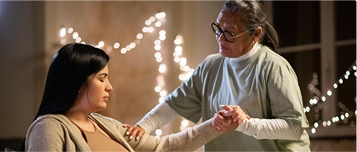
PEMF vs PEMA Benefits: How to Evaluate Wellness Claims
Understand the terminology, equipment, evidence and safety questions before choosing an electromagnetic wellness service.
A practical, evidence-aware guide for people comparing PEMF, PEMA and related wellness services. The ten original article sections follow below.
The headline is not the evidence
Marketing often groups relaxation, circulation, sleep, recovery, pain relief, and healing under one heading called benefits. These are different outcomes requiring different kinds of evidence. When a service is labeled PEMF or PEMA, the first task is to identify the exact device and the precise claim. Otherwise, comparisons quickly become a contest between slogans.
Add the approved image for this supporting article here.
Relaxation and subjective experience
A person may enjoy a quiet session, a comfortable position, or a break from a busy day. That experience can be meaningful without proving that an electromagnetic field caused a particular biological change. Testimonials describe what individuals felt; they do not establish a treatment effect or tell us what will happen for another person.
Pain and function
Researchers have studied certain electromagnetic interventions for some musculoskeletal conditions. Findings depend on the condition, device, study quality, and measured outcome. A positive result in one setting does not establish that all consumer wellness machines relieve pain. Claims should specify whether they concern temporary symptom ratings, improved function, or a medically defined treatment endpoint.
Bone healing is a distinct category
Certain prescription electromagnetic bone-growth stimulators have specific regulatory pathways and indications. They should not be confused with general wellness mats or short relaxation sessions. Even if both use electromagnetic technology, the approved use, technical design, and patient selection may be very different. Borrowing a medical-device study to advertise an unrelated product is not a sound comparison.
Sleep, energy, and recovery
Claims about better sleep or greater energy can be especially difficult to assess because many factors influence these experiences. Ask whether studies used a comparison group, whether participants were blinded when possible, and whether the outcomes were measured consistently. Be cautious when a provider promises guaranteed results or suggests that a device replaces evaluation for persistent symptoms.
A three-part evidence check
First, identify the model. Second, identify the condition or wellness goal. Third, find research on that exact combination, ideally from independent, well-designed studies. If the company instead offers research about unrelated electromagnetic equipment, treat the claim as unproven for the product in front of you.
Choosing responsibly in the Black Hills
A Rapid City client may be interested in a short wellness session without seeking medical treatment. That is a reasonable distinction to make. Ask what is known, what remains uncertain, and what the service is not intended to do. Graceful Touch Massage should be evaluated on transparent descriptions and appropriate screening rather than on promises that a device can treat a long list of diseases.
How to read a testimonial
A personal story may help you understand the atmosphere of a business or what a client liked about an appointment. It cannot tell you whether a device caused the improvement. People often begin wellness services at the same time they change exercise, sleep, medication, or daily routines. Symptoms can also change naturally. This is why controlled research is more informative for treatment claims. If a business highlights dramatic stories, ask whether it also provides balanced information about uncertain outcomes, people who did not improve, and any known risks. Good consumer information includes limits, not just success stories.
Another consideration before deciding
A useful research habit is to look for absolute language. Words such as always, guaranteed, permanent, or cures deserve extra scrutiny, especially when attached to broad lists of conditions. Consider whether the claim would still be meaningful if the marketing language were removed. For example, “participants reported less discomfort on a questionnaire” is narrower than “restores the body.” Both might sound positive, but only the first describes an observable outcome. Ask whether the result lasted beyond the session and whether the study included enough participants to draw dependable conclusions. If no such evidence is available for a product, a provider can still describe it as a wellness experience without pretending the science is settled.
Local information and next steps
Graceful Touch Massage, 1215 Mt Rushmore, Rapid City, SD 57702. Call (605) 574-1998 to ask about the current PEMFA service, equipment specifications, scheduling, and manufacturer-specific precautions. This article provides general education, not medical advice or a promise of therapeutic results.
PEMF vs PEMA Benefits: How to Evaluate Wellness Claims — Short Video

Questions About PEMF or PEMA in Rapid City?
Ask Graceful Touch Massage which equipment is currently offered, how sessions are conducted, and what manufacturer-specific precautions apply. Call (605) 574-1998 to discuss availability.