7 THINGS EVERY CLIENT SHOULD KNOW · RAPID CITY, SOUTH DAKOTA
A great massage doesn't begin with pressure. It begins with understanding.
Whether you're booking deep tissue, relaxation, or couples massage, communication is essential to a comfortable, personalized experience. Yet many clients believe they should remain silent while the therapist works.
The truth? Your feedback is one of the most valuable tools in the massage room.
Here are seven practical ways to improve your next massage experience.
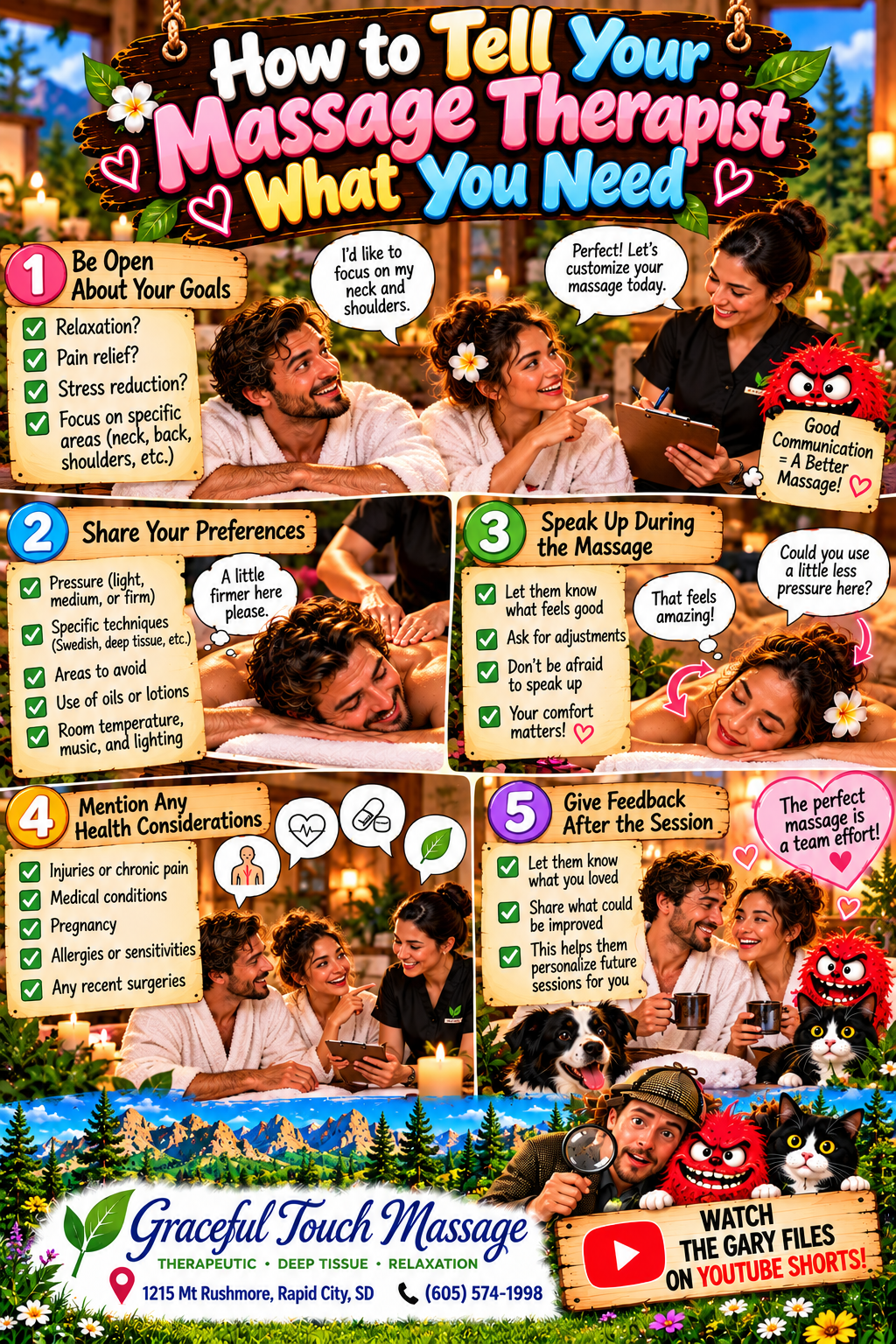
1. Describe Your Symptoms, Not Just Their Location
Saying “my shoulders hurt” is a starting point. Explaining when the discomfort occurs, what makes it worse, and what provides relief gives your therapist more useful information.
Try this: “My shoulders tighten after computer work, especially when I turn my head.”
Mention relevant injuries, surgeries, medications, and medical restrictions before treatment begins.
2. Understand Why More Pressure Isn't Always Better
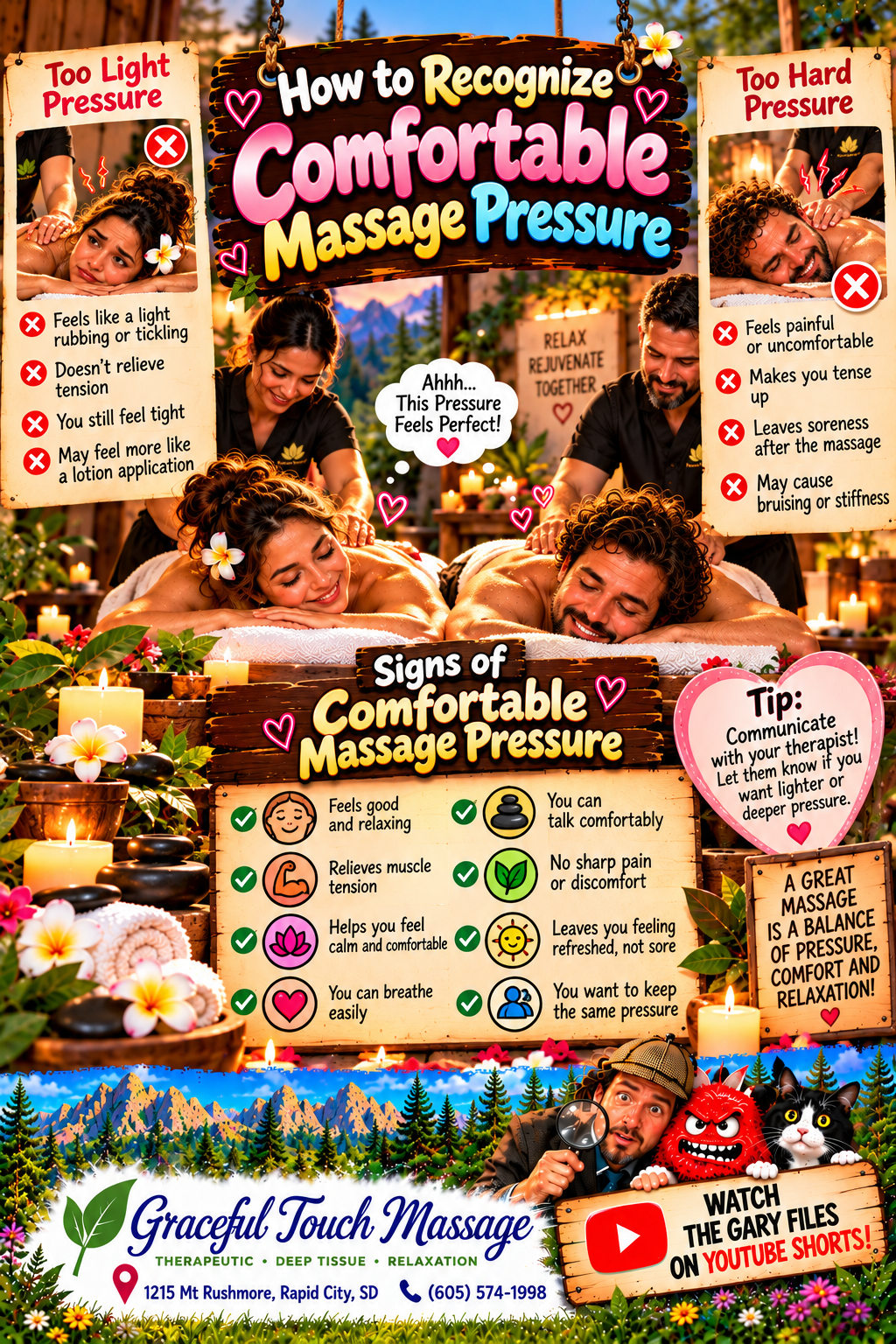
One of the biggest deep tissue massage misconceptions is that greater pain means greater benefits.
Excessive pressure can cause muscle guarding, breath-holding, and unnecessary discomfort.
At Graceful Touch Massage, we emphasize:
“It's not how deep you go. It's how you go deep.”
Skilled technique, appropriate pressure, and responsiveness matter more than force.
3. Try the Three-Question Comfort Test
During your massage, ask yourself:
- Can I breathe naturally?
- Can I keep my muscles relaxed?
- Can I comfortably tolerate this technique?
If you're holding your breath, clenching your jaw, or pulling away, communicate immediately.
Takeaway: Your body's response helps guide appropriate pressure.
4. Recognize Warning Signs
Massage may create stretching sensations or temporary tenderness, but sharp, burning, electrical, or radiating pain should never be ignored.
New numbness, tingling, dizziness, or unusual discomfort also deserves immediate attention.
What to do: Ask your therapist to stop or change the technique. Persistent or unexplained symptoms may require medical evaluation.
Pain tolerance is not a measure of massage effectiveness.

5. Know When Massage Needs Medical Clearance
Massage is appropriate for many people, but certain circumstances require medical guidance before treatment.
Consult your healthcare professional before massage when you have:
- Recent surgery or significant injury: Especially with healing restrictions or uncertainty about safe pressure and positioning.
- Known or suspected blood clots: Avoid massage until medically evaluated and cleared.
- Unstable cardiovascular conditions: Including recent serious cardiac complications or unexplained swelling.
- Active cancer treatment: Discuss precautions with your oncology team, particularly with fragile tissues, low blood counts, or medical devices.
- High-risk pregnancy: Obtain individualized guidance from your prenatal healthcare professional.
- Unexplained severe pain, weakness, or numbness: Seek medical evaluation before massage.
Postpone massage when you have a fever, contagious illness, or active infection affecting treatment safety.
Sudden chest pain, difficulty breathing, stroke-like symptoms, or signs of a possible blood clot require urgent medical attention.
Important: A stable medical condition, uncomplicated pregnancy, or cancer history does not automatically require written clearance. Individual circumstances determine whether massage should proceed, be modified, or be postponed.
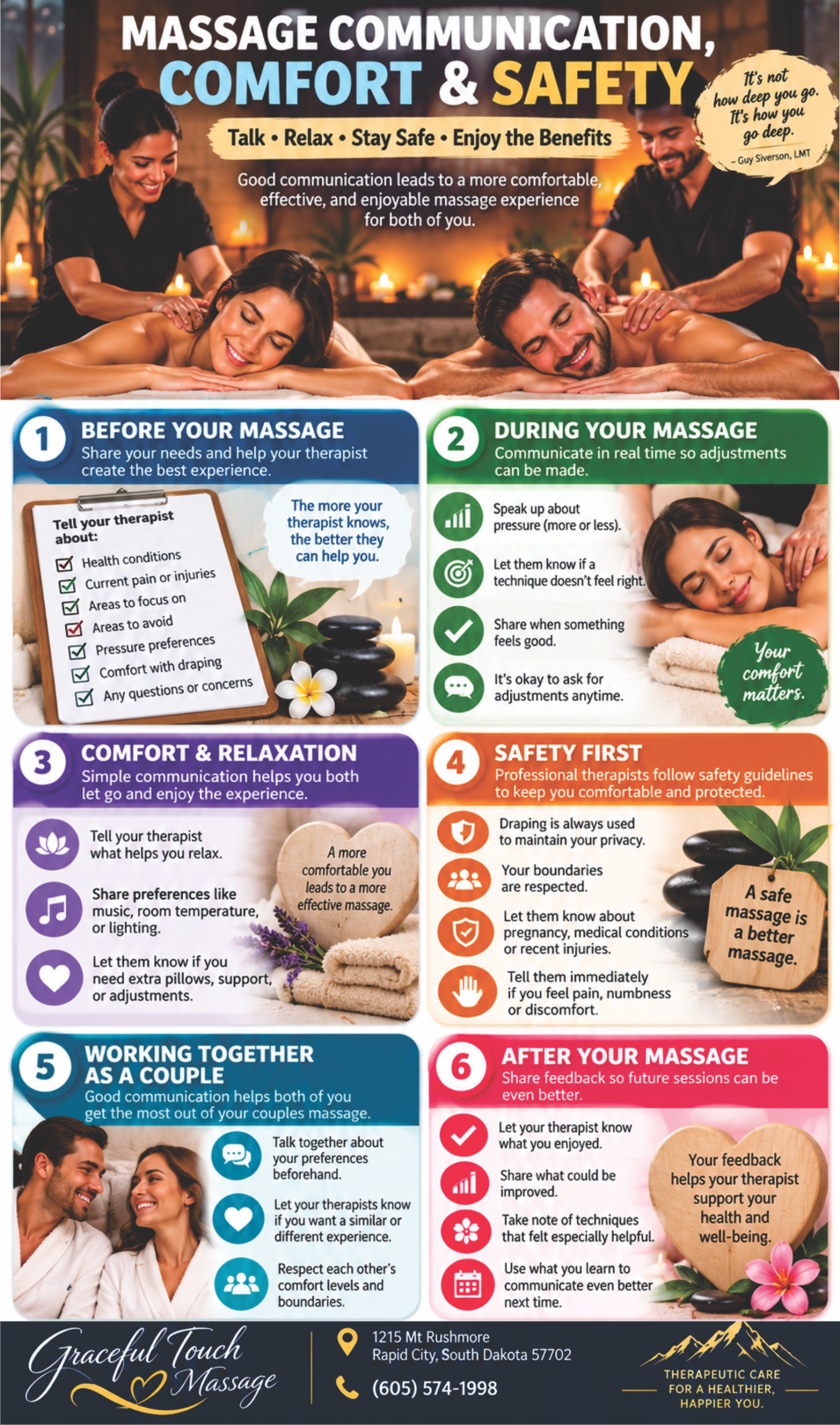
6. Establish Your Comfort Boundaries
Your comfort includes more than massage pressure.
Discuss positioning, draping, room temperature, sensitive areas, and mobility limitations.
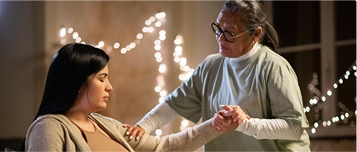
Massage can often be adapted for older adults or people with limited mobility, including seated, recliner-based, or fully clothed sessions.
You can also request that any area be avoided.
Remember: Your consent is ongoing. You may request changes or stop the session at any time.
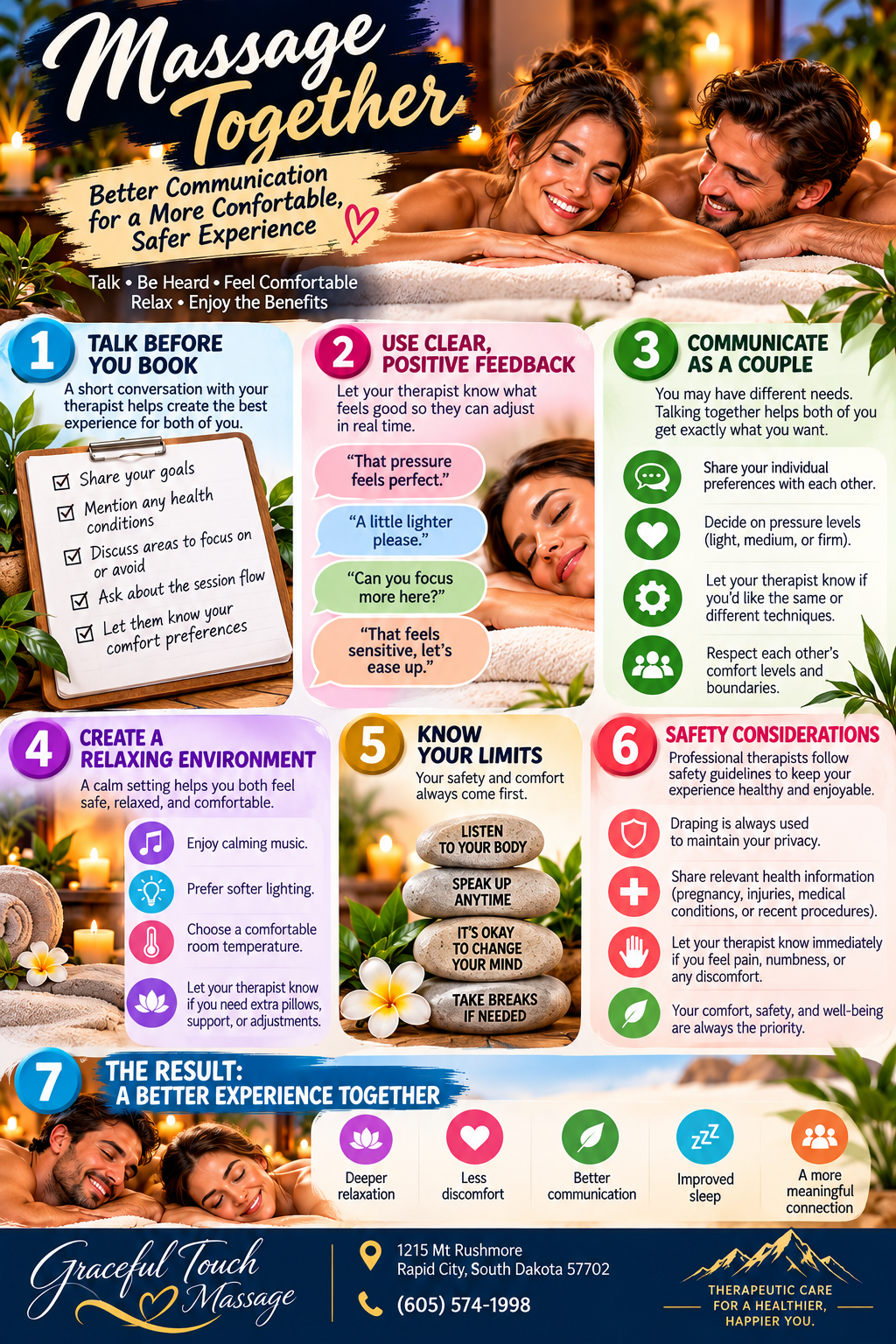
7. Evaluate How Your Therapist Responds
A skilled massage therapist welcomes feedback.
Do they listen without becoming defensive? Adjust their technique? Check whether the adjustment helped?
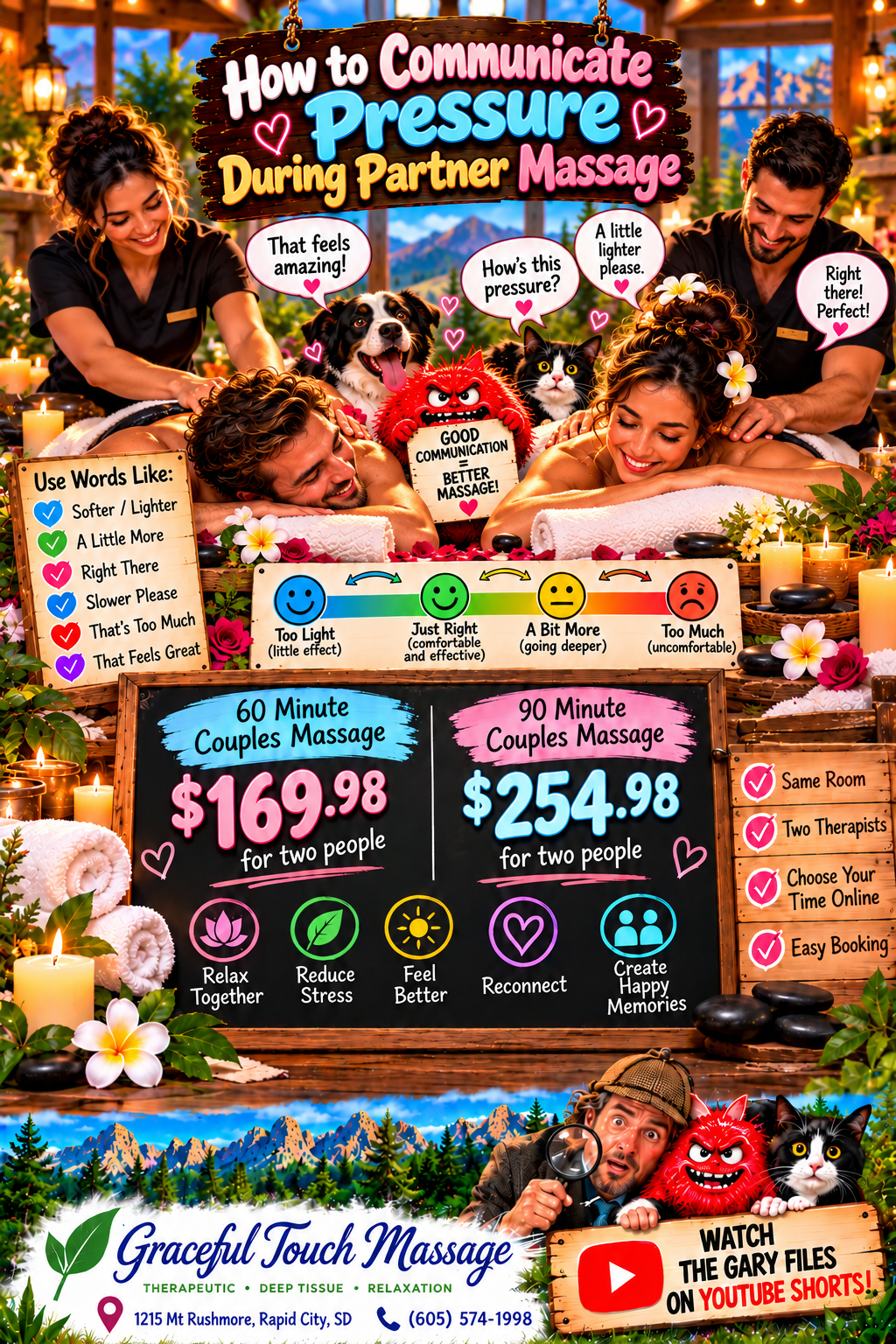
For couples massage, each person should communicate their own preferences rather than allowing one partner to speak for both.
Your 30-Second Pre-Massage Checklist
Before your appointment, identify:
- Your goal: What would you like to accomplish?
- Your boundaries: What needs special attention or modification?
- Your communication plan: What will you say if something feels uncomfortable?
Simple phrases work: “Less pressure, please,” “Change that position,” or “Please stop.”
The Bottom Line: Your Voice Matters
The best massage isn't necessarily the deepest or most expensive. It's one where your needs are understood, your boundaries respected, and your therapist adapts appropriately.
Whether you're researching massage safety nationally or seeking professional massage in Rapid City and the Black Hills, choose a therapist who listens as carefully as they work.
Speak up. Your comfort matters.
GRACEFUL TOUCH · YOUTUBE SHORT
Watch: Massage Communication, Comfort & Safety
CONTINUE LEARNING
Explore the Complete Couples Massage Guide
Read Guy's in-depth guidance on massage communication, comfort, safety, professional care, and at-home techniques.
VISUAL RESOURCE LIBRARY
Massage Communication, Comfort & Safety Image Gallery


GRACEFUL TOUCH · RAPID CITY
Explore Professional Massage Services
View available massage services and booking options.